
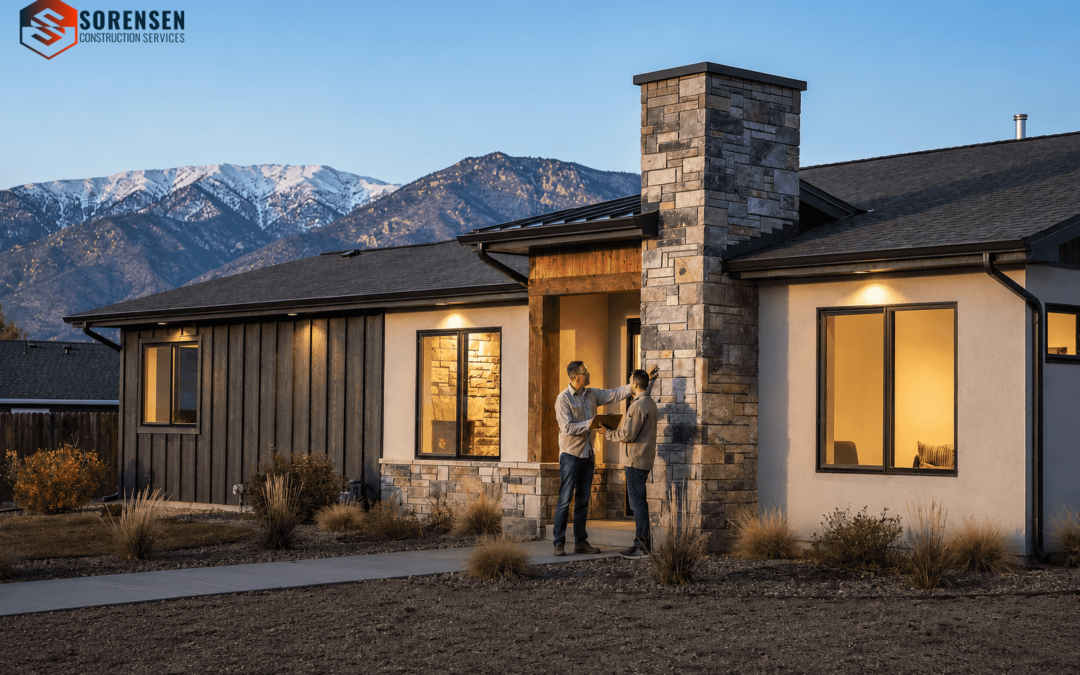
The right exterior remodeling company in Utah combines proven local tenure, manufacturer-level product certification, and single-source accountability across every trade. Sorensen Construction Services has served Utah homeowners for five generations as an Elite Preferred James Hardie installer, coordinating siding, gutters, windows, and decks under a single warranty rather than splitting the job among separate crews. That combination separates a contractor built for Utah’s climate from one that sells materials.
Key Takeaways
- Sorensen Construction Services has operated in Utah for five generations, giving direct experience with the state’s freeze-thaw climate and building-code history.
- Elite Preferred James Hardie installer status signals manufacturer-verified training, not just product familiarity.
- A single exterior remodeling contractor who manages roofing, siding, windows, and gutters closes accountability gaps that arise when several trades work independently.
- A documented damage assessment should happen before any material or contractor is chosen, since skipping it is the most common cause of budget overruns.
- Material lifespan varies widely, from 20-year synthetic systems to 100-year traditional plaster, so the right choice depends on climate exposure, maintenance, and budget.
Why Does Utah’s Climate Demand a Specialized Contractor?
Utah’s combination of intense high-elevation sun, freezing winters, and sudden monsoon storms punishes exterior surfaces in ways generalist contractors rarely plan for. Temperature swings expand and contract siding at the seams, UV exposure fades and embrittles finishes over years of direct sun, and storms add moisture stress on top of already-stressed materials. A qualified exterior remodeling contractor understands how these forces interact along the Wasatch Front and Wasatch Back and plans around them rather than working from a generic checklist.
A Documented Damage Assessment Comes Before Material Selection
A written damage assessment should happen before a homeowner opens a product catalog or signs a contract. Walking the exterior and noting cracked stucco, warped panels, and moisture intrusion gives a homeowner and their exterior remodeling company Utah crew a shared starting point, and skipping this step is a common reason projects run over budget.
Not Every Siding Material Handles Utah’s Climate the Same Way
Material performance varies significantly based on UV stability and resistance to freeze-thaw cycling. Matching finish materials to local sun exposure and seasonal freezing is essential for lasting durability, not an optional upgrade.
Two failure points show up most often in Utah exteriors: UV degradation, where unstable finishes fade, chalk, or crack under prolonged high-elevation sun, and freeze-thaw stress, where non-breathable systems trap moisture that expands when frozen and cracks the surface from the inside out.
Properly installed siding addresses both risks at once, shielding the underlying structure from wear, moisture, and heat while keeping the home’s appearance clean and consistent year over year. Working with an experienced siding contractor who accounts for Utah’s specific conditions protects that investment for decades, not just a few seasons.
How Do You Verify a Contractor’s Experience and Credentials?

Verification starts with tenure, licensing, and proof of local project history. Homeowners lose money and time when they hire a firm without a track record in Utah’s freeze-thaw climate, since improper installation shortens the lifespan of siding, stucco, and stone finishes regardless of material quality. A short background check before signing prevents most of these losses.
Some Utah exterior firms have operated across multiple generations, a pattern that signals sustained local credibility rather than a short-lived operation chasing seasonal work. A firm that has weathered decades of Utah winters and building-code updates has already solved problems newer competitors have not yet encountered on a live job site.
What Homeowners Should Ask Before Hiring a Siding Contractor?
Ask where the company is based and whether staff work directly in the local climate zone. A siding company rooted in Utah, such as a Park City-based firm, brings firsthand familiarity with heavy snow load, high-elevation UV exposure, and freeze-thaw cycling that an out-of-state crew has not encountered. A dependable exterior remodeling contractor also keeps communication clear from the first consultation through the final walkthrough; vague answers about timelines, scope, or warranty terms are a warning sign.
Credentials checklist for homeowners:
- Confirm years of active operation in Utah
- Request examples of local siding, stucco, or stone projects
- Ask how the crew documents flashing and control-joint details
- Confirm manufacturer certifications, such as Elite Preferred James Hardie installer status
Material choice alone does not guarantee performance. Installation quality determines how a finish holds up over its full service life, making crew experience the most important credential to verify before any exterior home renovation company begins work.
Warning Signs Your Home Needs an Exterior Remodel
Cracked stucco, faded or warped siding, and moisture damage around the fascia are the clearest warning signs a home needs attention. Utah’s freeze-thaw cycles accelerate these problems, turning small cracks into structural entry points for water within a single winter season, and homeowners who ignore these signals often face far larger repair bills once moisture reaches the sheathing underneath.
A thorough inspection catches problems before they spread. Walking the perimeter and documenting cracked stucco, warped siding, and worn trim lets a homeowner match findings against the home’s age and local climate around Salt Lake City, Park City, or Heber City; that record becomes the foundation for choosing the right materials and contractor.
Skipping an Inspection Is the Leading Cause of Budget Overruns
Skipping a documented visual inspection ranks as the single most common reason exterior projects run over budget. Contractors working without a clear damage record often uncover hidden rot or moisture intrusion mid-project, forcing costly change orders. A pre-project walkthrough prevents most of these surprises before contracts are signed.
A Full Exterior Remodel Typically Covers Four Core Areas
A comprehensive exterior renovation usually covers more than one component. An exterior remodeling company Utah families trust should offer a scope including:
- Siding replacement or repair
- Stucco restoration or re-application
- Stone or brick cladding work
- Soffit and fascia repair
An experienced exterior remodeling contractor evaluates all four areas together, since damage in one component frequently signals stress in another. Treating these elements as a coordinated system, rather than isolated repairs, protects the home’s structure through Utah’s harsh seasonal swings.
One Contractor Should Manage the Entire Exterior Project
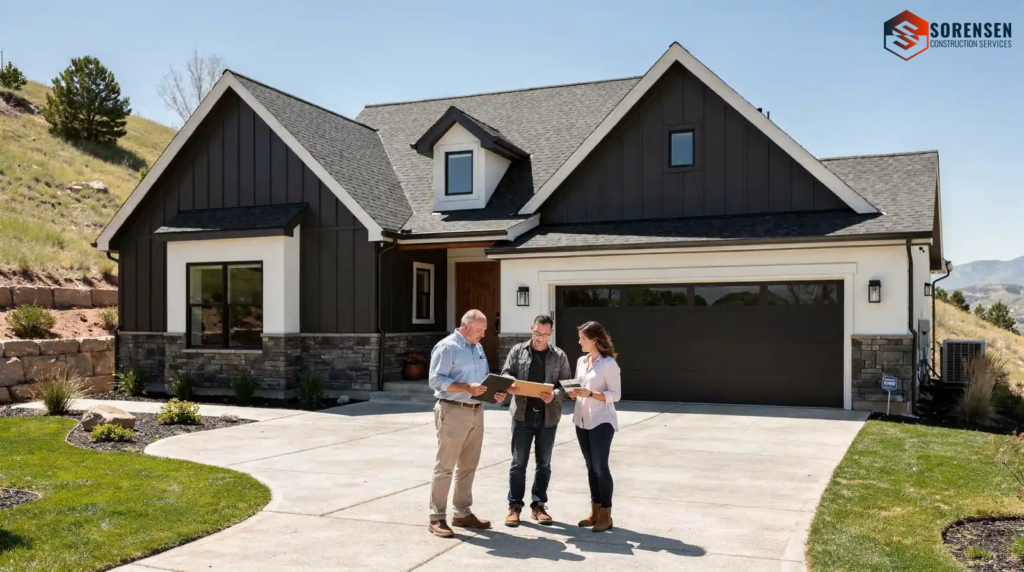
Single-source management reduces risk for Utah homeowners tackling roofing, siding, windows, and gutters together. Coordinating separate trades creates gaps in accountability; when siding fails months after a window crew has moved on, homeowners often struggle to identify who owes the repair, and overlapping warranties rank among the top worries when multiple contractors touch one home.
An exterior remodeling company Utah homeowners can rely on for integrated project management solves this directly: one contractor oversees the full scope, and communication and warranty terms stay consistent from the first consultation through the final walkthrough.
One Contact Handles Every Trade and Every Repair
An integrated approach bundles siding, windows, gutters, and related trades under a single point of contact, with complete exterior remodeling services available for homeowners and businesses statewide. A dedicated siding contractor handling installation, replacement, and ongoing improvements builds long-term function into the work from day one.
Sorensen Construction Services provides these services for homes and commercial properties across Utah; homeowners comparing options should ask any exterior home renovation company how warranty responsibility works across trades before signing.
Which Materials and Warranties Actually Protect Your Investment?
Material lifespan determines whether Utah homeowners repaint in a decade or replace an entire exterior. Traditional cement and lime plasters last 30 to 100-plus years, multi-coat stucco holds up for 50 to 80 years, and modern EIFS and silicone renders run shorter, at 20 to 40-plus years, with different performance advantages that matter in Utah’s freeze-thaw climate. No single option wins on every metric; the choice means weighing longevity against energy performance and upkeep.
| Material | Typical Lifespan | Standout Trait |
| Traditional cement/lime plaster | 30-100+ years | Longest possible service life |
| Multi-coat stucco | 50-80 years | Proven durability with maintenance |
| EIFS (synthetic stucco) | 20-40+ years | Continuous insulation, higher energy efficiency |
| Silicone render | 20-40+ years | Lowest maintenance, self-cleaning surface |
Synthetic Stucco Trades Longevity for Energy Efficiency
EIFS delivers superior energy efficiency because its continuous insulation outperforms standard cladding assemblies, but that comes with a catch: EIFS demands expert installation, since poor detailing around windows and joints leads directly to moisture intrusion. Homeowners should confirm their siding contractor has documented EIFS training before signing.
Silicone Render Requires the Least Ongoing Upkeep
Silicone renders demand the lowest maintenance among common exterior plaster systems. Their self-cleaning, water-repellent surface sheds dirt and moisture rather than absorbing it, so silicone render often outperforms older plaster types on convenience alone.
Traditional stucco and lime plaster still win on raw longevity, exceeding 50 to 100 years when maintained properly. A qualified exterior remodeling contractor evaluates substrate condition, climate exposure, and budget before recommending which system and warranty terms protect a Utah property long-term.
Why Sorensen Construction Services
Sorensen Construction Services brings five generations of Utah experience to every siding, stucco, and full exterior remodel it takes on. One team stays accountable from the first walkthrough to the final coat, with warranty terms that hold across every trade involved. For homeowners weighing a full exterior services company in Utah, that track record is the credential worth verifying first.
FAQ
- Why does Utah’s climate require a specialized exterior contractor?
Utah’s intense sun, freezing winters, and sudden storms stress exterior surfaces through UV fading, freeze-thaw expansion, and moisture damage, so a qualified contractor plans around all three rather than using a generic checklist.
- What should happen before selecting materials or signing a contract?
A documented damage assessment comes first. Homeowners should note cracked stucco, warped panels, and moisture intrusion before contacting a contractor, since skipping this step commonly causes budget overruns.
- How do you verify a contractor’s experience and credentials?
Check tenure, licensing, and local project history, since improper installation shortens material lifespan regardless of quality. Sorensen Construction Services has served Utah for five generations as an Elite Preferred James Hardie installer.
- Should one contractor manage roofing, siding, windows, and gutters together?
Yes. Single-source management keeps warranty terms and communication consistent, which closes the accountability gaps that appear when several separate trades work on the same home.
- Which exterior material lasts the longest in Utah’s climate?
Traditional cement and lime plaster last the longest, often 30 to 100-plus years, while multi-coat stucco holds up for 50 to 80 years with proper maintenance.