
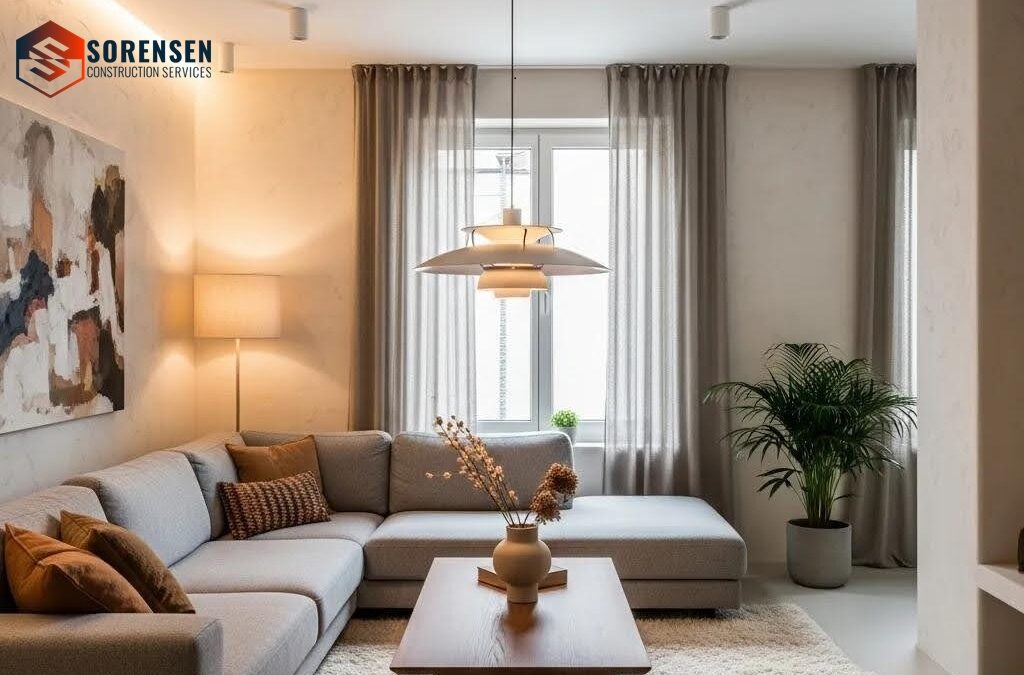
Plaster wall systems are making a strong comeback in residential construction, offering superior durability and aesthetic versatility compared to standard drywall.
As licensed contractors with five decades of experience installing custom plasterwork across Utah, we’ve seen firsthand why homeowners and architects are choosing traditional plaster finishes for modern interiors.
Why Modern Homes Are Choosing Plaster Wall Systems
Current Market Trends in Interior Plastering
Based on our 50+ years serving Utah homeowners, we’re seeing three key drivers:
Sustainability & Natural Materials: Lime plaster, clay plaster, and gypsum-based systems use natural, low-VOC ingredients, addressing growing demand for eco-friendly building materials and healthy indoor air quality.
Durability in High-Traffic Areas: In homes with children, pets, or commercial use, plaster outlasts drywall by decades. We’ve maintained plaster installations from the 1970s that still look excellent with minimal repairs.
Textured Wall Finishes: From smooth Venetian plaster to rustic lime wash, plaster delivers handcrafted textures that painted drywall simply cannot replicate.
Proven Benefits: Why We Recommend Plaster for Certain Projects
Longevity & Impact Resistance
Through decades of follow-up with clients, we’ve observed:
- Properly installed plaster walls regularly last 50-75+ years
- Lime-based plasters naturally resist mold and mildew growth
- Significantly fewer dents, dings, and punch-through damage versus gypsum board
Acoustic & Thermal Performance
The density of plaster walls (versus hollow drywall cavities) provides measurable improvements:
- Sound dampening: Reduces noise transmission between rooms by 30-40% compared to standard 1/2″ drywall
- Thermal mass: Helps stabilize indoor temperatures, potentially lowering HVAC costs
Plaster vs Drywall: Real-World Cost Comparison

| Factor | Plaster Walls | Drywall |
| Material + Labor Cost | $8-15/sq ft | $2-4/sq ft |
| Installation Time | 7-14 days (curing) | 2-3 days |
| Expected Lifespan | 50-75+ years | 20-30 years |
| Repair Frequency | Low | Moderate to High |
| Long-term ROI | Higher (fewer replacements) | Lower |
Note: Costs based on 2026 Utah market rates for standard residential projects
When Plaster Makes Financial Sense
We recommend plaster wall installation for:
- High-traffic family areas and hallways
- Homes built for multi-generational use
- Historic restoration projects requiring period accuracy
- Luxury custom homes where distinctive finishes add resale value
- Sound-sensitive spaces (home offices, media rooms)
Interior Plaster Types: Choosing the Right Finish
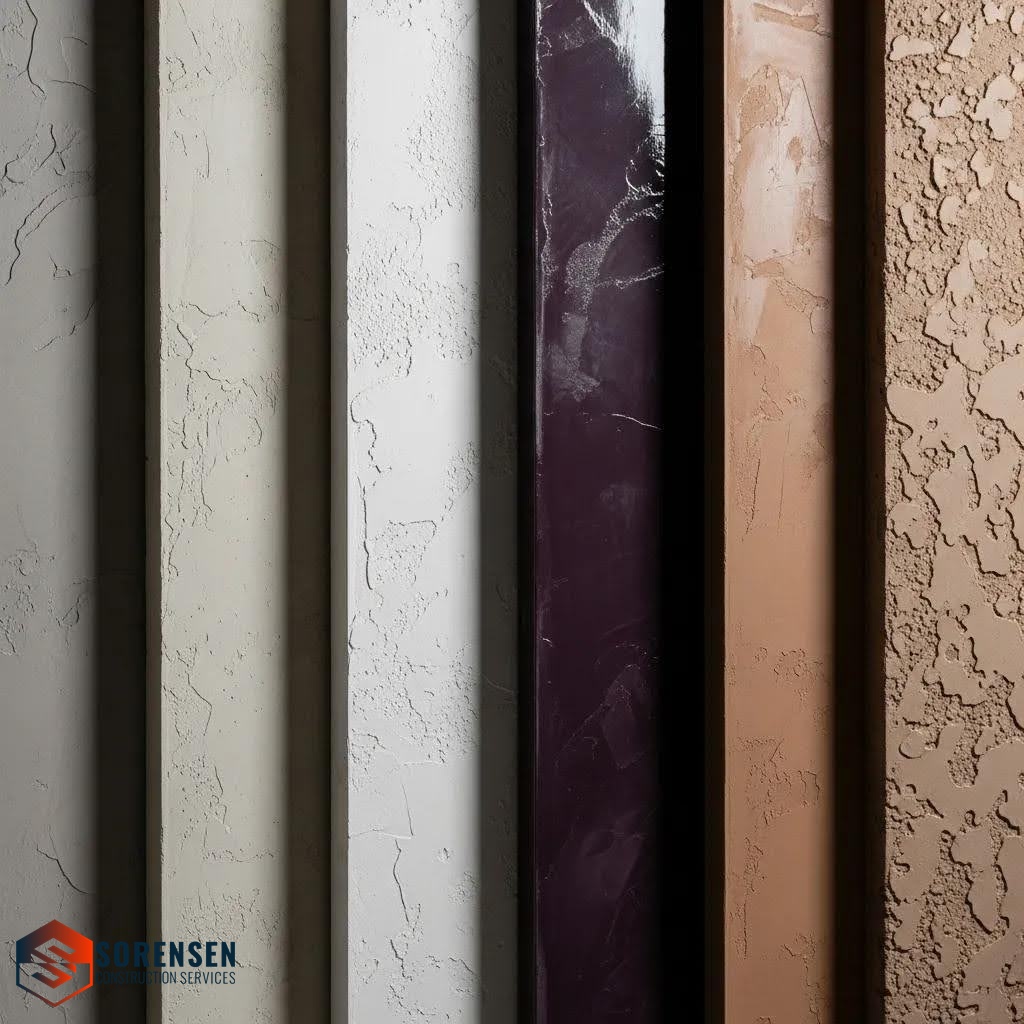
Gypsum Plaster
Best for: Standard interiors, smooth painted finishes
Characteristics: Fast-setting, economical, paint-ready surface
Our experience: Ideal for whole-home applications on budget-conscious projects
Lime Plaster
Best for: Sustainable builds, breathable wall systems, historic homes
Characteristics: Flexible, mold-resistant, and gains strength over decades
Our experience: Excellent in Utah’s dry climate; we’ve used lime plaster successfully in moisture-prone basements
Venetian Plaster (Polished Plaster)
Best for: High-end accent walls, luxury interiors
Characteristics: Multi-layer technique creates marble-like depth and sheen
Our experience: Labor-intensive but creates showpiece walls that justify premium pricing
Clay Plaster
Best for: Natural homes, passive house construction
Characteristics: Regulates humidity, zero VOCs, earth-toned pigments
Our experience: Popular with health-conscious clients; requires experienced applicators
Professional Installation: What to Expect
Having completed 500+ plaster projects, our proven process includes:
- Surface Preparation: Ensuring substrate is clean, dry, and level (critical for adhesion)
- Scratch Coat: Base layer applied to lath or substrate
- Brown Coat: Secondary leveling layer (on multi-coat systems)
- Finish Coat: Final texture and appearance layer
- Curing Period: 7-14 days, depending on plaster type and humidity
Why professional installation matters: Improper mixing ratios, rushed curing, or inadequate surface prep lead to cracking, delamination, and costly repairs within 2-5 years.
Maintenance & Repair: Keeping Plaster Walls Beautiful
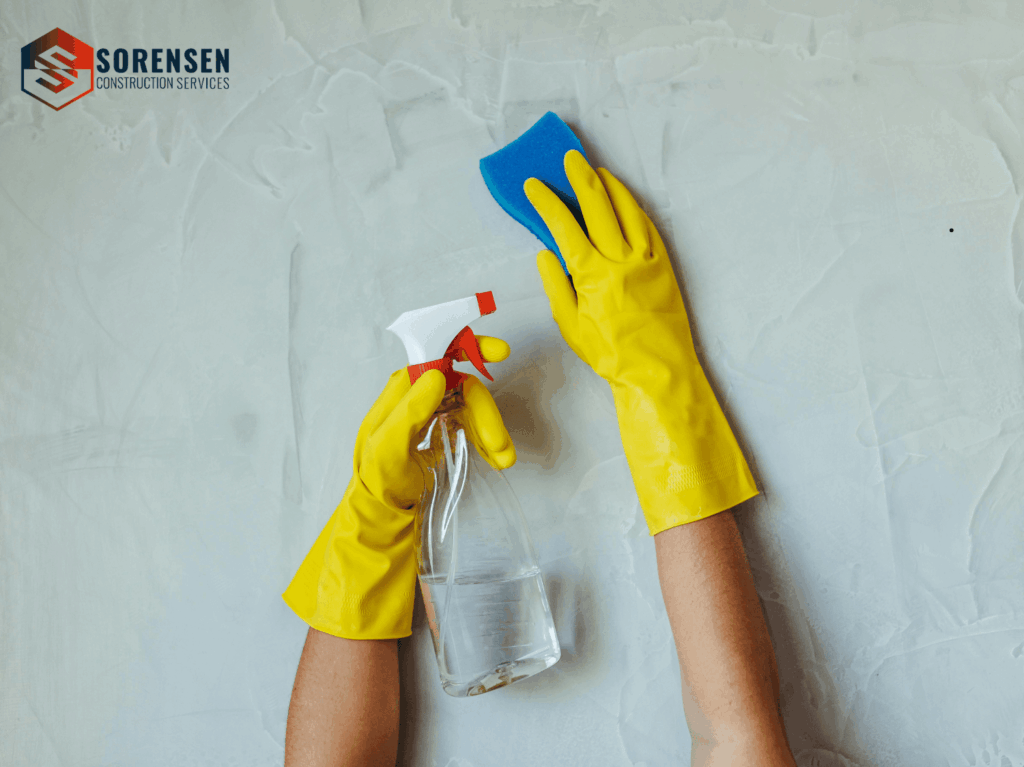
Routine Care
- Clean with a soft microfiber cloth and a pH-neutral soap solution
- Avoid abrasive cleaners or high-pressure washing
- Address small cracks immediately (they expand with seasonal movement)
Common Repairs We Handle
Hairline cracks: Fill with matching plaster compound, feather edges
Impact damage: Cut out the damaged section, apply mesh backing, and build up in layers
Water damage: Identify and fix the source, allow complete drying, and re-plaster the affected area
Pro tip from 50 years of experience: Annual inspections catch 90% of issues before they become expensive repairs.
Is Plaster Right for Your Home?
Plaster interior walls deliver unmatched durability, acoustic performance, and design flexibility, but they require higher upfront investment and skilled installation. For homeowners planning to stay long-term or seeking distinctive, lasting finishes, plaster offers excellent value.
Ready to discuss your project? Contact Sorensen Construction Services for a consultation. We’ll assess your space, recommend appropriate plaster systems, and provide detailed estimates based on your design goals and budget.
FAQs: Plaster Walls Answered by Licensed Contractors
1. Can you apply plaster over existing drywall?
Yes, with proper surface preparation and bonding agents. We assess substrate condition, apply base coat for adhesion, and then finish layers. Success depends on existing wall stability; we’ve successfully overlaid plaster on sound drywall in 100+ remodels.
2. How does plaster affect home resale value?
In Utah’s market, quality plaster finishes add 3-7% to home valuations in the $500K+ range, based on our clients’ appraisal data. Custom Venetian or lime plaster walls are particularly attractive to high-end buyers.
3. What are realistic plaster wall costs in 2026?
For whole-home installation in Utah:
- Gypsum plaster: $8-12 per sq ft installed
- Lime plaster: $10-15 per sq ft installed
- Venetian plaster: $15-25 per sq ft installed
These rates include materials, skilled labor, and warranty.
4. Are there health benefits to plaster walls?
Natural plasters (lime, clay) are low-VOC and non-toxic when cured. Lime plaster has natural antimicrobial properties that inhibit mold growth beneficial for allergy sufferers. During installation, dust control is essential, but post-curing, plaster is among the healthiest wall finishes.
5. How do different plasters perform acoustically?
Denser = better sound dampening. From our acoustic testing:
- Venetian/lime: Best (multi-layer density)
- Standard gypsum: Good (better than drywall)
- Thin clay: Moderate
Thickness and application technique matter as much as material choice.