

Best Siding to Withstand the Elements of the Rocky Mountains for Durable Home Exteriors
When planning to remodel or construct a building in the Rocky Mountains, selecting siding that can endure extreme conditions is crucial. Homeowners and contractors must consider the impact of variable temperatures, heavy snow, intense UV radiation, and high winds on exterior materials. This article provides an in-depth look at the most durable siding types for Rocky Mountain weather, discussing material performance, installation practices, energy efficiency benefits, maintenance tips, warranty considerations, and expert installation advice.
What Are the Most Durable Siding Types for Rocky Mountain Weather?
Choosing siding for the harsh Rocky Mountain climate requires understanding how different materials perform under stress. Below is a concise review of popular siding types and their durability under severe weather:
Why Is Fiber Cement Siding Ideal for Extreme Rocky Mountain Conditions?
Fiber cement siding is renowned for its strength and longevity in extreme weather. Composed of cement, sand, and cellulose fibers, it withstands drastic temperature fluctuations, resist warping, cracking, and termite damage while mimicking natural wood textures. Studies have shown that, when maintained properly, fiber cement can last over 50 years even in harsh winters and scorching summers. Its low maintenance needs reduce repair and repainting costs, and its resistance to moisture absorption helps prevent mold and mildew growth—crucial in regions with heavy rain and snow. This reliability, combined with its classic aesthetic, makes it a top choice for Rocky Mountain exteriors.
How Does Engineered Wood Siding Perform in High Altitude Climates?
Engineered wood siding, made from wood fibers bonded with resins and treated against moisture, offers a balance of natural beauty and advanced technology. In high-altitude areas where temperature and humidity can vary widely, it outperforms traditional wood by reducing the risks of rot and insect damage. Its engineered composition provides superior dimensional stability, minimizing warping and splitting during freeze-thaw cycles. Designed to meet strict local building codes, engineered wood siding typically lasts 25 to 30 years with proper installation and maintenance, making it a cost-effective and attractive option for many homeowners.
What Are the Advantages of Vinyl Siding for Rocky Mountain Homes?
Vinyl siding is popular due to its versatility, ease of installation, and minimal upkeep. In the Rocky Mountains, vinyl is engineered to resist moisture absorption and UV degradation through added stabilizers that maintain its color and prevent brittleness. Insulated vinyl siding, which features a foam backing, improves thermal performance to reduce heating and cooling costs while enhancing a home’s curb appeal. Its ability to resist cracking in freezing temperatures makes it well-suited for the region’s extreme winters, ensuring consistent, long-term performance.
Can Metal Siding Withstand Heavy Snow and High Winds?
Metal siding—including aluminum, steel, and copper variants—offers a robust solution for areas with heavy snowfall and strong winds. Its inherent strength and flexibility allow it to bend rather than break during major wind gusts. Special coatings protect metal siding against corrosion and oxidation from moisture and salt. In snowy conditions, the smooth surface of metal aids in shedding accumulated snow, reducing the risk of structural overload. Although it can transmit sound more than other siding types, modern insulation and underlayment designs help minimize this issue, making metal siding both a durable and versatile option for challenging climates.
When Should Stone or Brick Veneer Be Used for Exterior Accents?
Stone or brick veneer is typically used as an accent to add natural elegance while providing extra protection against the elements. Despite being applied in thin layers over a substrate, these materials are highly durable, enduring repeated freeze-thaw cycles and intense UV exposure. Acting as a secondary weather barrier when paired with a primary siding system, veneers enhance both aesthetic appeal and property value. Their low maintenance requirements and timeless looks make them ideal in designs that seek a natural connection with the environment.
How Does the Rocky Mountain Climate Affect Siding Performance?
The extreme and varied conditions of the Rocky Mountains significantly influence siding performance and longevity. Key factors include temperature extremes, heavy snow loads, high winds, and intense UV radiation.
What Impact Do Extreme Temperatures Have on Siding Materials?
Extreme temperature changes—from frigid winters to hot summers—force siding materials to expand and contract continuously. This cyclical stress can result in warping, cracking, or poor seal performance, especially with materials like vinyl and metal. In contrast, fiber cement and engineered wood are designed to tolerate these fluctuations with minimal damage. For example, vinyl siding with an insulating backing reduces energy transfer during temperature spikes, helping maintain a stable indoor environment. Selecting materials with proven thermal resilience is essential to prevent deterioration.
How Does Heavy Snow Load Influence Siding Durability?
In the Rockies, winter storms can deposit several feet of snow, placing immense weight on siding. If not properly supported or installed, heavy snow can cause bending or permanent deformation. Fiber cement and metal sidings, engineered to bear significant loads, are less likely to exhibit visible damage under deep snowfalls. Proper installation—such as the use of secure nailing patterns and adequate substructures—is key to transferring these loads and preserving siding integrity over time.
Why Is High Wind Resistance Crucial for Rocky Mountain Siding?
High winds, common in exposed mountain locations, can compromise siding by dislodging panels or creating gaps that allow moisture infiltration. Materials with high impact resistance, such as metal and fiber cement, when installed with proper fastening techniques, offer superior wind resistance. Compliance with local wind load ratings is essential to ensure overall performance, making high-quality installation practices as important as material selection.
How Does Intense UV Exposure Affect Siding Longevity?
UV radiation in the Rockies can lead to color fading, surface degradation, and breakdown of protective coatings. Over time, this exposure can cause brittleness and micro-cracks, particularly in materials like vinyl and engineered wood. Many fiber cement and metal products incorporate UV inhibitors to prolong their lifespan. Regular maintenance, including periodic repainting or resealing, helps mitigate UV damage and preserve the aesthetic appeal and protective qualities of the siding over many years.
What Are the Best Installation Practices for Siding in the Rocky Mountains?
The longevity and performance of siding are heavily influenced by proper installation and adherence to regional standards. Effective installation techniques maximize weather resistance and energy efficiency.
How Does Professional Installation Improve Weather Resistance?
Professional installation ensures that siding is applied according to exact manufacturer specifications and local building codes. Experts use correct fastening techniques and high-quality underlayment materials, reducing moisture intrusion and preventing mechanical failures. A well-installed siding system better withstands the stresses of extreme weather, decreasing maintenance needs and boosting overall performance over time.
What Local Building Codes Must Be Followed for Siding Installation?
Rocky Mountain building codes address unique challenges such as seismic activity, heavy snowfall, and high winds. They specify standards for materials, fastening methods, and underlayment systems to ensure durability. Strict adherence to these codes not only ensures safety but also preserves manufacturer warranties and reduces the risk of future damage.
How Do Proper Weatherproofing Techniques Extend Siding Life?
Key weatherproofing practices include sealing seams, installing quality trim, and applying appropriate flashing to prevent water infiltration. These measures help create a continuous barrier that protects against the damaging freeze-thaw cycles common in the Rockies. Routine maintenance of these elements further prolongs the siding’s lifespan by reducing the potential for mold growth, moisture damage, and structural decay.
What Are Typical Costs for Siding Installation in Rocky Mountain Areas?
Installation costs vary widely based on the material chosen, the complexity of the installation, and local labor rates. For example, fiber cement siding may have higher upfront costs compared to vinyl but offers benefits in reduced maintenance and longer lifespan. Detailed estimates that include material, labor, and weatherproofing expenses help homeowners make informed decisions that balance initial investment with long-term savings.
How Can Siding Improve Energy Efficiency in Rocky Mountain Homes?
Energy efficiency is a critical consideration in the design of Rocky Mountain homes, where temperature extremes can drive high heating and cooling costs. The right siding choice enhances a building’s insulation and reduces energy consumption.
Which Siding Materials Offer the Best Insulation Properties?
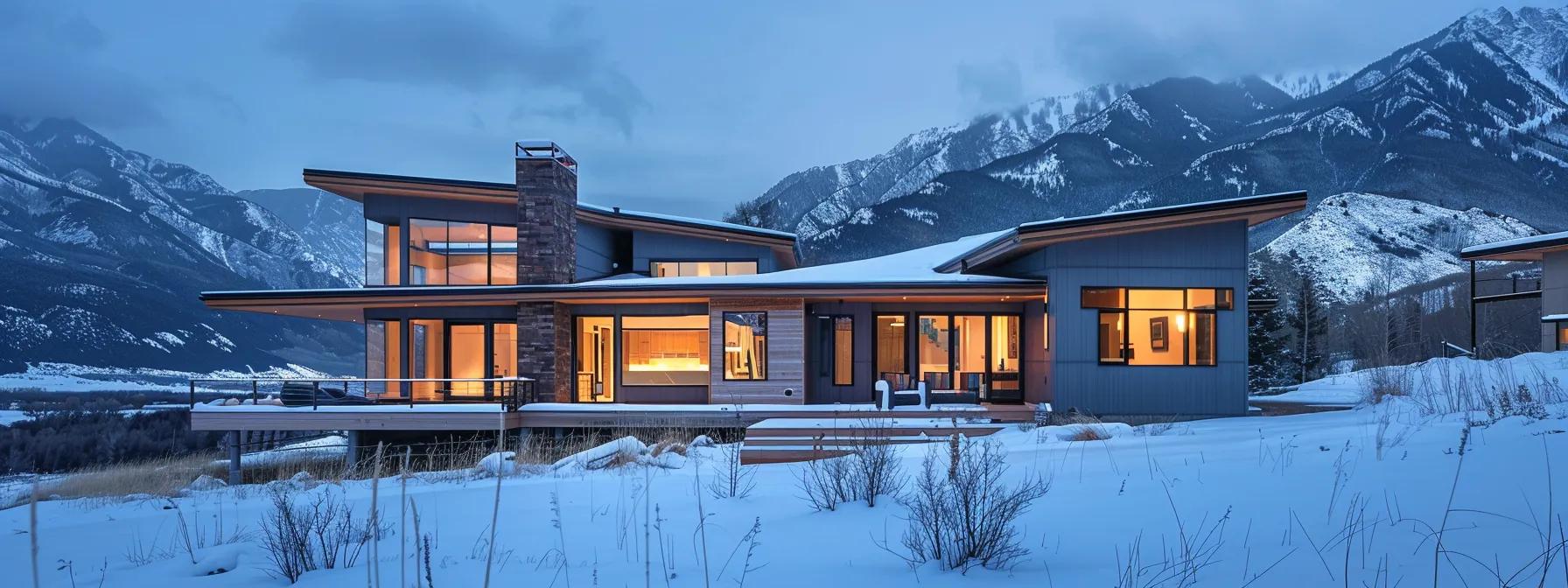
Materials such as insulated vinyl siding and fiber cement with integrated insulation layers provide a thermal break between the interior and exterior. These systems can significantly reduce energy loss, with some studies indicating potential savings of up to 15% on heating and cooling costs. High R-value materials maintain a consistent indoor temperature, reducing the need for excessive energy use.
How Does Siding Reduce Heating and Cooling Costs?
By eliminating thermal bridges, quality siding systems decrease unwanted heat loss in the winter and reduce heat gain in the summer. The use of air barriers and reflective surfaces further enhances energy efficiency. When combined with energy-efficient windows and doors, optimized siding contributes to a noticeable decrease in overall energy bills while also promoting a more comfortable indoor environment.
What Are the Benefits of Insulated Vinyl and Fiber Cement Siding?
Both insulated vinyl and fiber cement sidings offer strong energy performance in addition to durability. Their structured layers improve sound insulation and provide resistance to moisture. Extended warranties that cover energy-saving performance add value by ensuring that the investment continues to pay off through lower utility bills and reduced long-term maintenance costs.
How Does Proper Installation Affect Energy Performance?
Even the best siding materials can underperform if not installed correctly. Gaps, misalignments, or poor sealing can lead to air leakage, compromising the siding’s insulation benefits. Professional installation that ensures precise alignment and sealing is critical in maximizing energy efficiency and maintaining a consistent indoor climate despite external weather extremes.
How Should Homeowners Maintain and Repair Siding in Rocky Mountain Conditions?
Regular maintenance and timely repairs are essential to sustain the performance and appearance of siding in the challenging Rocky Mountain climate. Good upkeep practices can significantly extend the life of siding materials while preventing costly damage.
What Are the Best Practices for Cleaning Siding After Winter?
After harsh winters, it is important to clean siding to remove dirt, salt, and biological contaminants such as mold or algae. Using a gentle, biodegradable cleaning solution with a soft brush or low-pressure hose can protect the siding’s finish while restoring its visual appeal. Establishing an annual cleaning routine in early spring helps catch minor issues before they escalate.
How Can Damage From Snow and Ice Be Prevented or Repaired?
Snow and ice accumulation can stress siding, leading to cracks and warping. Preventative measures include ensuring proper insulation and sealing to avoid water infiltration and freeze-back damage. Homeowners should inspect for damage after heavy snowfall or during thaws, and address minor issues promptly with professional repairs—such as resealing or replacing damaged panels—to avoid more extensive and expensive repairs later on.
When Is Siding Replacement Necessary Due to Weather Wear?
Replacement becomes necessary when problems such as persistent cracks, repeated moisture intrusion, or severe color fading occur, and when repairs no longer prove cost-effective. Regular evaluations every five to seven years can help determine if an upgrade to modern, more resilient siding is warranted. Replacing outdated siding can improve both energy efficiency and overall exterior protection.
How Often Should Siding Be Inspected in Harsh Climates?
In regions with extreme weather, it is advisable to inspect siding at least twice a year—once after winter and again before the onset of the next cold season. Regular inspections help identify early signs of deterioration, such as blistering or gaps in sealing, so that maintenance can be performed before minor issues develop into major structural concerns.
What Are the Cost and Warranty Considerations for Rocky Mountain Siding?
Cost efficiency and warranty coverage are important factors when selecting and installing siding. Understanding these elements helps homeowners make a balanced investment decision that offers long-term protection and value.

How Do Material Costs Compare Among Popular Siding Types?
The initial cost of siding materials varies significantly. Fiber cement, for example, generally commands a higher upfront price than vinyl, while engineered wood falls in a mid-range category. Metal siding may also be more expensive due to specialized coatings. When comparing these options, it is essential to consider not only the material cost per square foot but also installation expenses and potential future repair needs.
What Warranty Options Are Available for Weather-Resistant Siding?
Many high-quality siding products come with extended warranties—often ranging from 20 to 50 years—that cover material defects and performance issues related to weather. Extended warranties offer peace of mind by protecting homeowners against unforeseen damage and helping to justify a higher initial investment in durable, energy-efficient siding.
How Does Warranty Coverage Affect Long-Term Value?
Robust warranty coverage can reduce long-term maintenance and repair costs, thereby enhancing the overall return on investment. Homes fitted with siding that includes long-term warranties are often more attractive to potential buyers, as these warranties indicate a reduced risk of future expenses and reinforce the product’s durability.
Are There Financing or Incentives for Energy-Efficient Siding?
Financing options and energy efficiency incentives, such as rebates and tax credits, may be available for siding systems that meet specified energy performance standards. Homeowners are encouraged to research local programs and consult with contractors to take advantage of opportunities that can offset installation costs while enhancing long-term energy savings.
Where Can You Find Expert Siding Installation Services in the Rocky Mountains?
Selecting a professional siding contractor with local expertise is critical for ensuring a siding system that can endure the challenging environmental conditions of the Rockies.
How to Choose a Reliable Siding Contractor Familiar With Rocky Mountain Conditions?
When hiring a contractor, verify their local experience and request references or examples of past projects in similar climates. Look for certifications from recognized industry organizations and ensure they provide detailed assessments, clear proposals, and maintenance schedules. Local experts understand the nuances of regional weather patterns, making them better equipped to offer long-lasting siding solutions.
What Questions Should You Ask Before Hiring a Siding Installer?
Before finalizing a contractor, ask about their methods for sealing and weatherproofing, inquire about the warranties they provide, and request examples of past projects in extreme weather areas. These questions help confirm that the contractor can deliver the durability and quality required for Rocky Mountain conditions.
How Do Customer Reviews Reflect Installation Quality?
Customer reviews and testimonials provide valuable insights into a contractor’s reliability, adherence to local building codes, and responsiveness to maintenance concerns. Consistently positive feedback, high ratings, and a record of timely project completion are strong indicators of high-quality workmanship.
What Are Examples of Successful Siding Projects in the Rocky Mountains?
Case studies of successful installations—such as projects where insulated fiber cement siding reduced energy costs by around 20%, or metal siding maintained its appearance and structural integrity over a decade—demonstrate the effectiveness of proper material selection and installation. These examples underline the importance of choosing both high-quality materials and experienced professionals.
Energy Efficiency and Maintenance: A Quick Comparison
Before concluding, consider the following table comparing key attributes of popular siding materials, highlighting energy efficiency, durability, and maintenance needs:
Before you review the table, note that choosing the right siding enhances energy performance while ensuring long-term durability and reduced maintenance costs.
| Siding Material | Insulation Value (R-Value) | Lifespan (Years) | Weather Resistance Features | Maintenance Frequency |
|---|---|---|---|---|
| Fiber Cement | Moderate (R-Value 2-3) | 50+ | High resistance to moisture, wind, and UV damage | Low, annual inspection |
| Engineered Wood | Moderate (R-Value 2-3) | 25-30 | Treated for rot and insect resistance | Moderate, biannual cleaning |
| Insulated Vinyl | High (R-Value 4-5) | 25-30 | UV stabilized, low moisture absorption | Minimal, occasional wash |
| Metal Siding | Low to Moderate | 40+ | Anti-corrosion coatings, high impact resistance | Low, periodic maintenance |
This comparison illustrates that while initial costs may vary, the long-term benefits—lower energy bills, less maintenance, and higher durability—can make quality siding a wise long-term investment.
Frequently Asked Questions
Q: How often should I inspect my siding in extreme weather areas?
A: It is recommended to inspect your siding at least twice a year—once after winter and once before the next cold season—to catch any damage early.
Q: Can insulated siding really reduce my energy bills?
A: Yes. Insulated siding helps lower heating and cooling costs by providing a strong thermal barrier, with some studies indicating savings of up to 15% on energy bills.
Q: What is the typical lifespan of fiber cement siding in harsh climates?
A: With proper installation and maintenance, fiber cement siding can last over 50 years, making it one of the most durable siding options available.
Q: Are there financing options available for upgrading my siding?
A: Many contractors offer financing plans, and local government incentives for energy-efficient upgrades can help offset initial costs.
Q: How do high winds affect siding installations?
A: High winds can cause displacement or damage if wiring and installation are improper. Professional installation using proper fastening and weatherproofing methods is essential to mitigate these risks.
Q: What maintenance practices are essential for metal siding?
A: Regular cleaning and periodic inspections for signs of corrosion or loose fasteners are critical to maintaining the performance of metal siding over time.
Final Thoughts
Selecting the right siding for your Rocky Mountain home involves careful consideration of durability, energy efficiency, installation quality, and overall cost. Materials such as fiber cement, engineered wood, and insulated vinyl offer proven advantages against extreme weather conditions—whether facing drastic temperature variations, heavy snow loads, intense UV exposure, or high winds. By understanding how each material responds to these challenges, and by combining high-quality products with professional installation and regular maintenance, you can ensure that your home’s exterior remains attractive and resilient for decades to come. Balancing initial investment with potential long-term savings and reduced environmental impact leads to a wise siding choice that adds lasting curb appeal and value to your home.